
"Chinese coffee habits"
700 article(s) found

The real reason why coffee fascinates us
There are about 1 billion people around the world who start their day by having a cup of coffee first thing in the morning. Among these 1 billion people, the proportion of Chinese is increasing year by year. A survey shows that 70% of Chinese people drink coffee, and 30% of them have formed the habit of drinking coffee every day. However, when we were nurtured in the fragrant and pleasant tea culture, we always felt bitter and astringent.

Coffee Investigates the Real Reason Coffee Fascinates Us
About a billion people start their day with a cup of coffee first thing in the morning. Among these 1 billion people, the proportion of Chinese people is increasing year by year. A survey shows that 70% of the Chinese people drink coffee, and 30% of them have formed the habit of drinking coffee every day. However, since childhood edification in the fragrant pleasant tea culture of us, always feel and bitter rich

What is the real reason why coffee fascinates us?
There are about 1 billion people around the world who start their day by having a cup of coffee first thing in the morning. Among these 1 billion people, the proportion of Chinese is increasing year by year. A survey shows that 70% of Chinese people drink coffee, and 30% of them have formed the habit of drinking coffee every day. However, when we were nurtured in the fragrant and pleasant tea culture, we always felt bitter and astringent.

Chinese Coffee Culture Coffee Legend of Zhukula Village, Dali, Yunnan Province
When it comes to the history of Chinese coffee, we have to mention Yunnan Dali Zhukula Coffee, which plays a vital role in the history of Chinese coffee. The ancient coffee forest in Zhukula Village is a unique variety of small-grain coffee in Yunnan. It is very rare and of excellent quality. It can be called a living fossil of Chinese coffee. In today's program, we will explore the century-old coffee legend of Zhukula Village. Zhu

Will the Chinese Association of Science and Technology say that long-term drinking coffee will be harmful to the human body?
At present, the issue of food safety has become one of the social hotspots that the Chinese people are most concerned about. there are numerous food safety problems exposed in the media. how should we treat the food problem? for this reason, the "Scientific interpretation of the Hot spots of Public concern" compiled by the Science Popularization Department of the China Science and Technology Association and the China Food Science and Technology Society has made relevant answers to food safety and helped

On the difference between Chinese Coffee Culture and French Coffee Culture the Historical Origin of Coffee
The coffee culture that follows is full of every moment of life. People are tasting coffee at home, in the office, or on various social occasions: it is gradually associated with fashion and modern life. Coffee houses everywhere have become good places for people to talk, listen to music and rest, and coffee has gradually developed into a culture. Whether it's freshly ground coffee beans, or

Large coffee chains have entered China one after another-domestic coffee shops are also on the rise
1: China's sustained high economic growth, the increasing improvement of people's living standards, the increasing diversity and improvement of the quality of life, and the economic possibility of coffee consumption have directly catalyzed the vigorous development of the coffee industry. 2: the influence of globalization has led to the internationalization of consumption habits, and the number of people drinking specialty coffee is expanding. 3: large coffee chains have entered China.

Analysis on the spread and Development Market of Coffee in China
Market Analysis of the spread and Development of Coffee in China for Chinese people, coffee and instant coffee have been two interchangeable terms for a long time. Until tea restaurants such as Starbucks in the United States and Hong Kong entered, people began to realize that coffee was not instant coffee, but something else. What is it? It's fashion. It's an abstract painting in Starbucks.
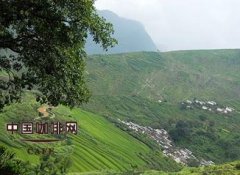
Chinese Coffee Culture the Legend of Coffee in Zhukula Village, Yunnan Province
When it comes to the history of Chinese coffee, we have to mention Yunnan Dali Zhukula Coffee, which plays a vital role in the history of Chinese coffee. The ancient coffee forest in Zhukula Village is a unique variety of small-grain coffee in Yunnan. It is very rare and of excellent quality. It can be called a living fossil of Chinese coffee. We went to explore the century-old coffee legend of Zhukula village. Zhu Kula, located in Yunnan Province

News about coffee-negative news about coffee falling in love with tea
News about coffee-negative news about coffee falling in love with tea according to an online survey: 47% of netizens like to drink instant coffee, while 72% value coffee taste the most. Chinese people's habit of drinking coffee probably began after the 1990s, and now many urbanites have become dependent on coffee. Although the annual consumption of coffee in China is only 200000 tons, the per capita consumption is delivered at a rate of 30 per cent.
The Turkish habit of drinking coffee
Coffee in the ancient Middle East, like the legendary myth of the 1001 night, is a veiled girl with a thousand faces, which can not only help get close to God, but also wash the spring of sadness. When it comes to coffee, we have to mention the Middle East (Turkey) coffee, because whether from the perspective of Islam or Christianity, the origin of coffee is in the remote and mysterious mountains of the Middle East. After the thirteenth to fifteenth centuries,
Coffee in Zhukula Village, Yunnan Province
When it comes to the history of Chinese coffee, we have to mention Yunnan Dali Zhukula Coffee, which plays a vital role in the history of Chinese coffee. The ancient coffee forest in Zhukula Village is a unique variety of small-grain coffee in Yunnan, which is very rare and of excellent quality, so it can be called the "living fossil" of Chinese coffee. We went to explore the century-old coffee legend of Zhukula village.

Chinese Coffee Culture | how did coffee enter China? Growth and Development of Coffee in China
Communication of professional baristas Please pay attention to the coffee workshop (official Wechat account cafe_style) Coffee was not introduced into China for a long time until it was first planted in Taiwan in 1884. In the mainland, the earliest coffee cultivation began in Yunnan. At the beginning of the 20th century, French missionaries brought the first batch of coffee saplings to Binchuan County, Yunnan Province, and coffee began to be grown on the mainland. From
What's the difference between Finnish festivals and Chinese festivals? coffee is integrated into the festive country.
For professional baristas, please follow the coffee workshop (Wechat official account cafe_style) in the Nordic countries, you can see the aurora Finland. It is also famous for the best education system in the world. Did you know that Finland is also a coffee-loving country? Let's take a look at this Finnish coffee culture. Finland, one of the world's leading coffee consumers, is known as the global drinking coffee.

The real reason why coffee fascinates us is coffee culture Starbucks coffee benefits anti-cancer coffee coffee
There are about 1 billion people around the world who start their day by having a cup of coffee first thing in the morning. Among these 1 billion people, the proportion of Chinese is increasing year by year. A survey shows that 70% of Chinese people drink coffee, and 30% of them have formed the habit of drinking coffee every day. However, when we were nurtured in the fragrant and pleasant tea culture, we always felt bitter and astringent.
Coffee introduced into China and Chinese Coffee Culture
There are several meanings to say that coffee was introduced into China: first, coffee was introduced into China and was initially consumed by European and American people who came to China; second, there were commercial cafes where ordinary people, Chinese and foreign people could drink and entertain themselves; and third, coffee was cultivated in the field in China, produced and sold for its own use.

Starbucks faces Challenge Multi-Coffee Brands compete for Chinese Market
Multi-coffee brands compete for the Chinese market Starbucks faces challenges Starbucks is always a brand with no lack of topics. Recently, there are media reports in the United States, a Chicago woman sued Starbucks for $5 million because there were too many ice cubes in cold drinks. The news drew attention to Starbucks, which was widely questioned about its high pricing in China. There is more in one drink.

Starbucks faces Challenge: multi-Coffee Brands compete for Chinese Market
Multi-coffee brands compete for the Chinese market Starbucks faces challenges Starbucks is always a brand with no lack of topics. Recently, there are media reports in the United States, a Chicago woman sued Starbucks for $5 million because there were too many ice cubes in cold drinks. The news drew attention to Starbucks, which was widely questioned about its high pricing in China. There is more in one drink.

The spread and Development of Coffee in China Coffee Shop Market Analysis
Analysis on the spread and Development of Coffee in China in terms of natural conditions, many parts of China are very close to Latin America, South America, India, Indonesia and other places, with inherent conditions for coffee cultivation. However, Chinese people have been drinking tea for thousands of years. As the origin of tea in the world, people are more or less interested in coffee as a foreign drink in terms of consumption habits and concepts.

Starbucks faces Challenge: multi-Coffee Brands compete for Chinese Market
Starbucks is always a brand with no shortage of topics. Recently, there are media reports in the United States, a Chicago woman sued Starbucks for $5 million because there were too many ice cubes in cold drinks. The news drew attention to Starbucks, which was widely questioned about its high pricing in China. A large amount of money is claimed for more ice in a drink, which is for Chinese consumers